The Silent Crisis: Why Black Men Don’t Seek Help
Agape District Faith Feature of the Colorado Ecclesiastical Jurisdiction Church Of God In Christ
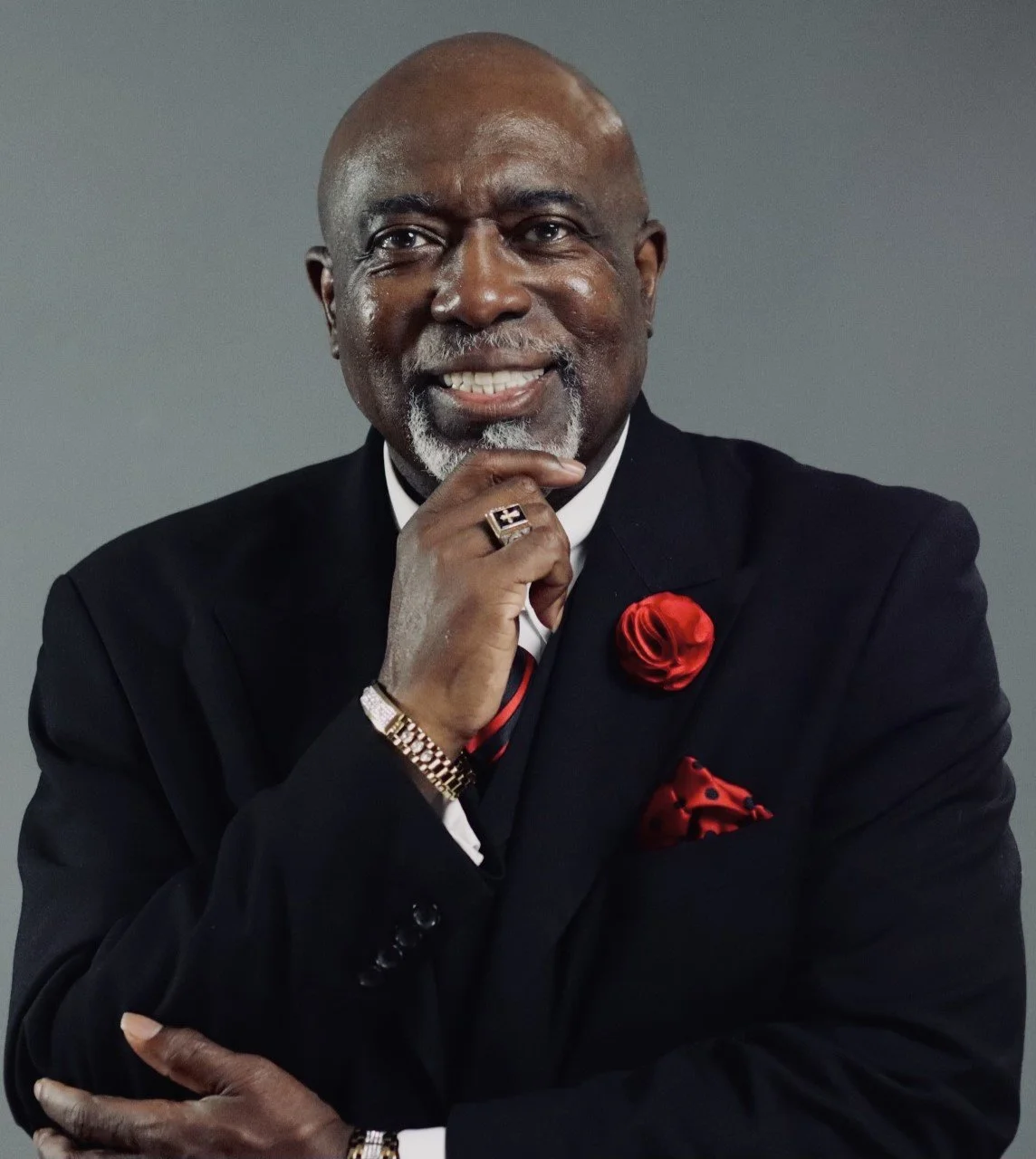
By Superintendent P. L. Demmer
There is a quiet battle happening in homes, churches, boardrooms, locker rooms, patrol cars, pulpits, and parking lots. It often wears a strong face,
speaks in measured tones, and carries responsibilities with broad shoulders. Yet beneath the surface, many Black men are carrying pain they were never taught to name.
This is the silent crisis.
For generations, Black men have been expected to endure hardship without complaint, to absorb pressure without collapse, and to keep moving no matter the wound. Strength became survival. Silence became armor. But armor worn too long can begin to feel like skin.
Many men were taught early: man up, stop crying, be tough, don’t let them see you sweat. Those messages were often passed down not from cruelty, but from people trying to prepare sons for a hard world. Yet emotional suppression can become generational. A grandfather buries grief. A father masks pain. A son inherits distance.
The cost of silence is steep. It shows up in hypertension, anxiety, depression, burnout, addiction, isolation, anger, relational breakdown, and in some tragic cases, suicide. Pain that is not expressed often finds another exit.
The Historical Wound: Trauma Passed Down, Trauma Unaddressed
To understand the present, we must acknowledge the past. The psychological residue of slavery, Jim Crow, racial terror, discrimination, and systemic exclusion did not vanish with legislation. Trauma can echo across generations.
When people are forced into survival mode for centuries, survival habits become normalized. Hypervigilance, emotional guardedness, distrust, overworking, and carrying everything alone can feel “normal” when they were originally responses to danger.
There is a difference between inherited trauma and personal trauma. Personal trauma is what happened directly to you. Inherited trauma is what happened before you, but still shaped you through family systems, beliefs, fears, and coping patterns. Both deserve healing.
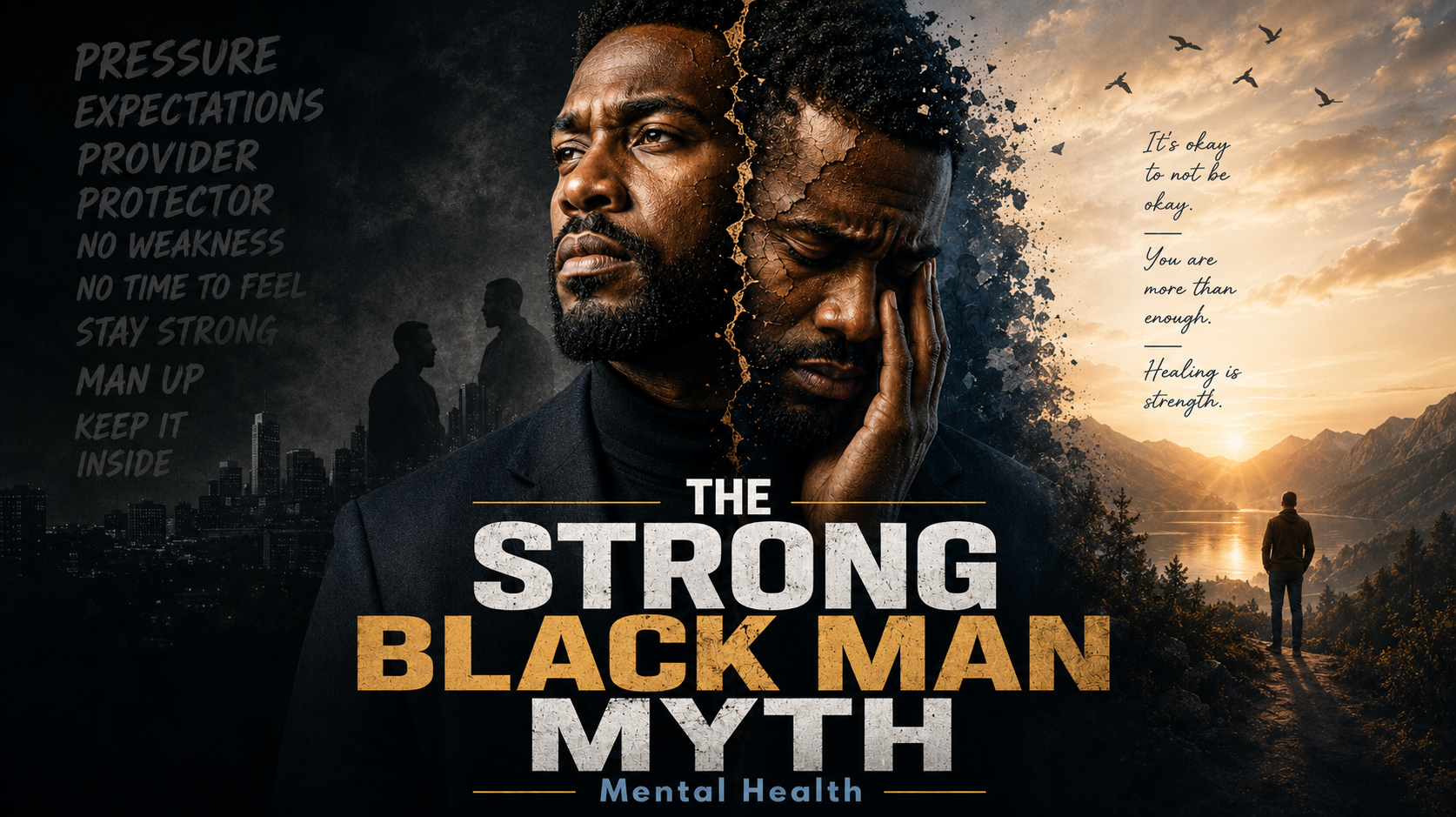
The Strong Black Man Myth
The image of the unbreakable Black man has been celebrated in culture, but it can also imprison. The pressure to be invincible, unshakeable, and unemotional leaves many men stranded on an island of performance.
Real strength is not stoicism. Real strength is honesty. Real strength knows when to carry and when to ask for help. Real strength can cry, repent, rest, apologize, forgive, and heal.
The myth says, never bend. Wisdom says, trees that bend survive storms.
Fatherhood, Absence, and the Unspoken Grief
Many Black men carry father wounds they rarely discuss. Some experienced physical absence. Others had fathers present but emotionally unavailable. Some had loving fathers who themselves had never learned tenderness.
Unspoken grief often leaks into parenting. Men may parent from pain instead of healing, repeating distance they once hated. Yet cycles are not curses carved in stone. They are patterns that can be interrupted.
A healed man can give what he never received. He can become the safe place he once needed.
Faith, Church, and Mental Health
The Black church has long been a refuge, source of dignity, leadership center, and spiritual hospital. It has fed families, organized communities, and held people together in dark seasons. That legacy matters deeply.
At times, however, faith communities have also struggled to address mental health with depth. Some have heard, just pray it away, when what was needed was pray and process, believe and heal, trust God and seek wise support.
Prayer is powerful. Counseling can be powerful. Scripture is life-giving. Therapy can provide tools. These are not enemies. They can be partners.
God uses pastors, physicians, counselors, friends, and wisdom.
The Economics of Stress
Financial pressure is one of the most overlooked mental-health burdens. Many Black men feel the weight of being “the provider,” even when wages are low, opportunities unequal, or systems stacked.
Job discrimination, underemployment, unstable housing, debt, and career setbacks can wound identity. Men may silently interpret financial struggle as personal failure.
Economic instability can fuel anxiety, depression, irritability, shame, and hopelessness. A man carrying bills, expectations, and hidden fear may look fine while drowning internally.
Relationships, Emotional Availability, and Communication
Many Black men do not lack emotional depth. They often lack emotional permission and training.
When boys are taught to mute sadness, fear, vulnerability, and tenderness, they may become men who feel deeply but struggle to articulate it. This can create conflict in marriages, dating relationships, families, and friendships.
Healing requires tools:
Naming emotions accurately
Listening without defensiveness
Expressing needs clearly
Apologizing with sincerity
Regulating anger before reacting
Seeking understanding, not victory
Communication is not a weakness. It is architecture. It builds bridges where silence builds walls.
Healing the Inner Boy
Inside many grown men lives a younger self who was embarrassed, abandoned, bullied, neglected, rejected, or forced to grow up too fast.
Healing often begins by identifying where emotional development was interrupted. What happened at age eight? Twelve? Sixteen? What pain was never processed?
Childhood trauma can show up in adult behavior through rage, avoidance, people-pleasing, perfectionism, emotional shutdown, or self-sabotage.
Reparenting yourself means giving your present self what your younger self lacked:
Compassion
Boundaries
Encouragement
Safety
Truth
Rest
Healthy discipline
This is how men move from survival to wholeness.
Food for Thought
Though representation has improved in some areas, Black mental-health professionals remain underrepresented, creating barriers of access, trust, and cultural understanding in care. That gap matters.
High-pressure roles can also carry hidden mental-health risk. Pastors, police officers, executives, managers, elected officials, and public leaders often bear emotional loads while feeling unable to reveal struggle.
The suit can hide exhaustion.
The title can hide despair.
The applause can hide loneliness.
Four Truths
Black men are often overexposed to stress and underexposed to support.
Many do not lack emotional depth. They lack safe spaces.
Trauma becomes culture when it goes unexamined.
Healing is not a betrayal of masculinity. It is the restoration of it.
A Call Forward
We need rooms where Black men can speak honestly without ridicule. We need churches that welcome counseling without shame. We need brothers who check on brothers. We need fathers who model softness and strength together.
The next generation should inherit more than endurance. They should inherit healing.
Because a whole man loves deeper, leads wiser, fathers better, worships freer, and lives longer.
And that silence? It does not have to be the family heirloom anymore.