Colin Cheadle: Building People, Leading with Compassion, and Leaving a Legacy
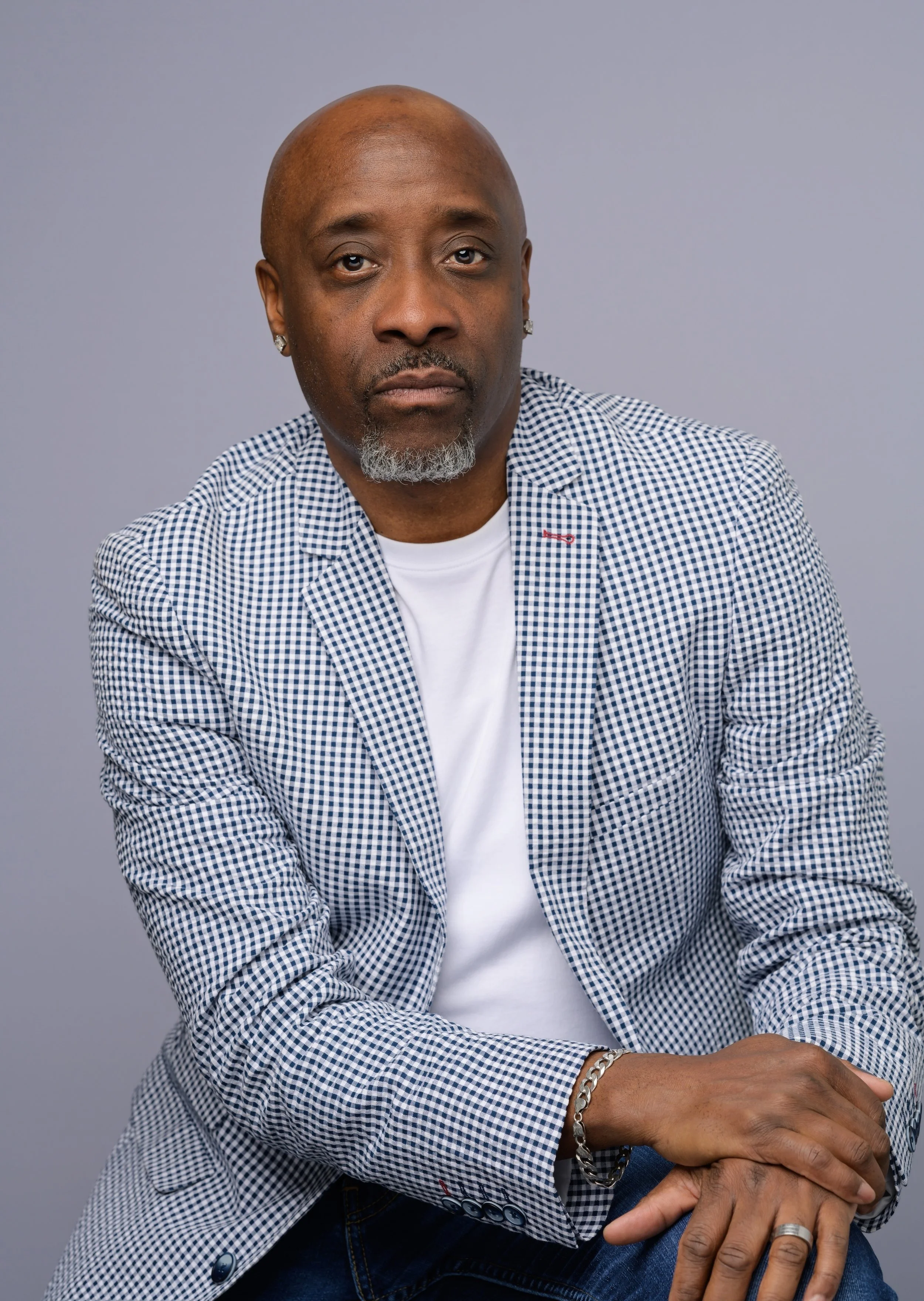
By Dr. Jamal K. Bowen
In a world where leadership is often measured by titles, status, and visibility, Colin Cheadle offers a deeper definition. For him, leadership is not about being in charge. It is about being responsible for the people, relationships, and opportunities entrusted to your care. True leadership begins with service.
Colin’s story is rooted in faith, humility, family, and growth. Whether discussing marriage, fatherhood, business, or community, he returns to one principle: people matter most.
Leadership in the Home
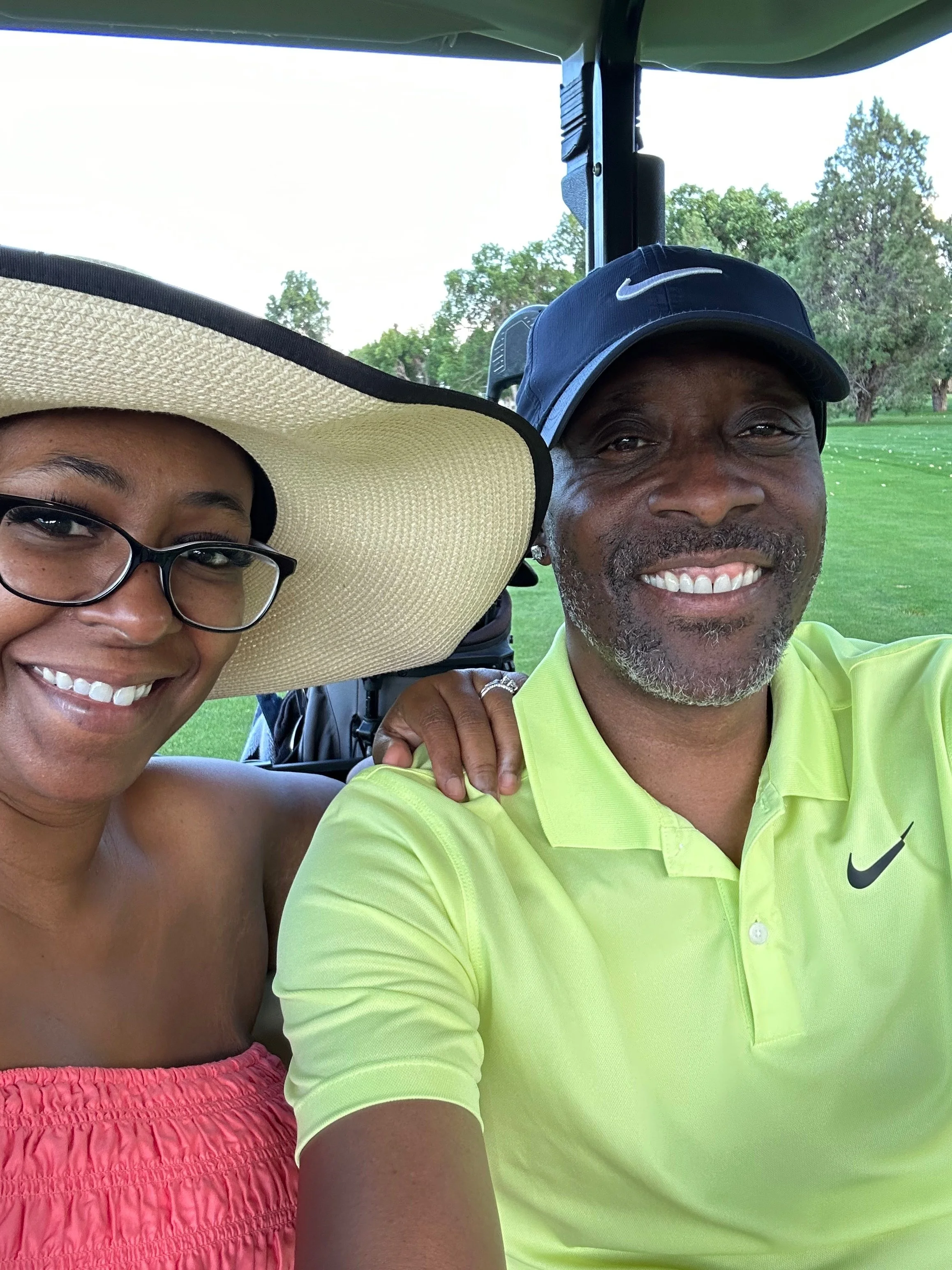
As a husband, Colin speaks openly about learning from his wife. He describes her as someone who helps him see where he is succeeding and where he needs to improve. He views being a husband as being a covering, not through control, but through protection, honor, and support.
That perspective challenges shallow ideas of leadership. Leadership in marriage cannot be demanded. It must be earned through love, consistency, humility, and service. A family should feel protected, not pressured. Trust, not power, is the real foundation.
The same lesson applies in business. A leader cannot demand loyalty or excellence without first creating an environment where people feel respected, heard, and valued. Leadership is stewardship.
Fatherhood Beyond Providing
Colin reflects honestly on fatherhood. His children are now grown, and he believes he helped instill in them the values of protection and responsibility. Yet he also admits they witnessed his mistakes.
Rather than hide from failure, Colin sees it as part of growth. No father gets everything right. What matters most is what happens afterward. Repair is possible. Redemption is possible. Growth is possible.
He defines intentional fatherhood simply: letting your children know you are there, that you love them, and that you hear them.
That moves fatherhood beyond finances. Provision matters, but presence matters too. Sacrifice matters, but listening matters too.
Colin remembers seasons when work demanded long hours and his children would say, “Dad is always working.” Those reflections were not easy, but they were honest. He describes children as mirrors. They often reveal how we truly show up.
Now, as a father of adult children, he sees new opportunities to parent differently. He cannot relive earlier years, but he can remain present now through time, conversation, and continued relationship building.
His message to fathers is clear: it is never too late to become more intentional.
Advice for Men and Leaders
When asked what advice he would give husbands, fathers, and partners, Colin offered practical wisdom:
Be prayerful
Let God reveal your blind spots
Listen more than you speak
Be curious
Be consistent
Follow through on your word
Consistency builds trust. Inconsistency erodes it.
He also warns against taking on too much. When people overload themselves, promises are missed and relationships suffer. Intentionality means knowing what you can truly carry.
This principle applies everywhere. Families lose connection when always busy. Organizations lose focus when chasing too many goals. Leaders lose credibility when they fail to follow through.
Defining Legacy
Legacy was another major theme in the conversation. Colin hopes to be remembered as someone who poured himself into his work and helped others grow.
That definition goes beyond image. It is not about being impressive. It is about being impactful.
The real question of legacy is this: Are people better because they encountered you? Did your presence add value? Did your leadership help someone else rise?
When speaking about his children, Colin returned to love. He wants them to know they were loved, cared for, and supported. More than that, he hopes they pass kindness and generosity to others.
That is generational impact. It is not only what a father leaves to his children. It is what he leaves in them.
Faith and Impact
When asked for his “I believe” statement, Colin said:
“I believe that when I commit my ways to the Lord, it will be impossible for me not to have impact.”
That statement captures the heart of his leadership philosophy. Impact is not separate from faith. It flows from commitment, humility, and service. When a person stays connected to purpose and committed to helping others, meaningful impact becomes natural.
Compassion in the Workplace
Colin believes one of the greatest needs in today’s workplace is compassion. Too many environments reward self-interest, ambition, and profit alone. Compassion reminds people that work is still human.
Workplaces are not machines. They are human ecosystems. People need connection to remain productive, loyal, and engaged.
Compassion does not weaken performance. It strengthens the foundation performance depends on.
He also believes leaders must create spaces where people can speak honestly without fear. Great leaders help people feel seen, heard, and safe. They advocate for others, especially when those people are not in the room.
One of his strongest leadership lessons is this: leaders must represent people, not just manage them.
A Lesson from Loretta Devine
Colin shared a story from one of his first acting opportunities in the HBO film Rebound: The Legend of Earl “The Goat” Manigault. He had never acted on camera before and was nervous stepping onto set with actress Loretta Devine.
Instead of increasing the pressure, she showed kindness and helped him settle into the moment. Colin said she “mothered” him through the experience.
That memory stayed with him because it demonstrated the power of compassion. One person’s kindness can steady another person in a moment of fear.
People remember who gave them grace. They remember who made room for them to succeed.
Business Development Is People Development
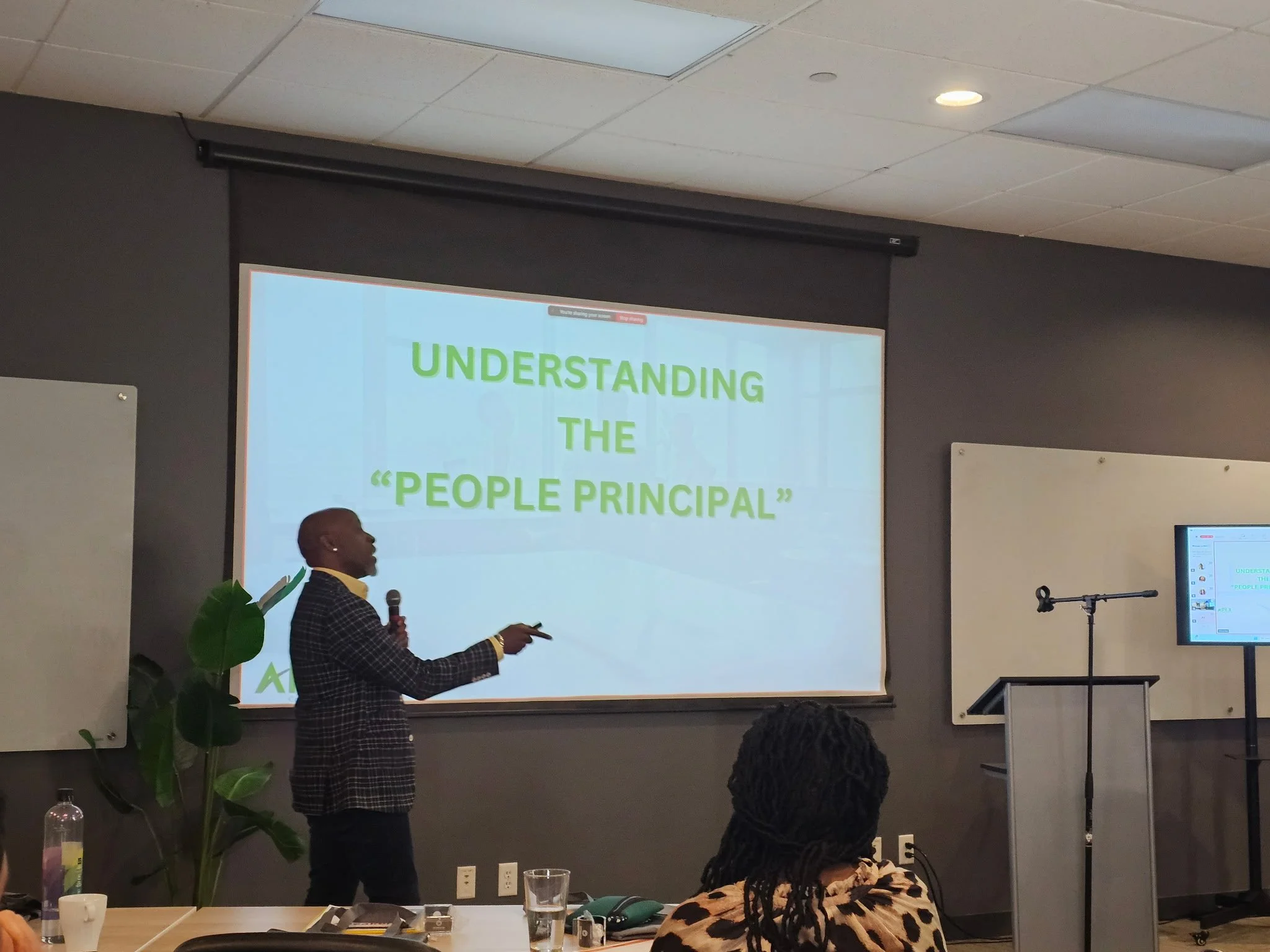
With a background in human resources, Colin believes business growth and people growth are inseparable.
Too often, companies say people are their greatest asset while failing to understand what those people need. Strong development begins with listening to goals, aspirations, and challenges.
He helps organizations identify their “true north,” clarify vision, assess team strengths, and close gaps. Success comes when leaders develop both the mission and the people carrying it out.
A common mistake organizations make is focusing only on outcomes while neglecting those expected to deliver them. When that happens, retention drops, engagement weakens, and people disconnect from purpose.
People need to know how they fit into the larger vision. They need to know their work matters.
The Final Lesson
As the conversation closed, Colin returned to one core word: listen.
Ask questions. Listen carefully. Then act on what you hear.
That is wisdom for fathers.
That is wisdom for husbands.
That is wisdom for leaders.
That is wisdom for communities.
Strong families are built when people listen and act. Strong organizations are built when leaders listen and act. Strong communities are built when neighbors listen and act.
Colin Cheadle’s story reminds us that leadership is not about being seen. It is about seeing others. It is not about titles. It is about building people.
Because in the end, titles fade. Positions change. Achievements become memories.
But the people you build remain.