
Behind the Pulpit: When Silence Becomes Dangerous
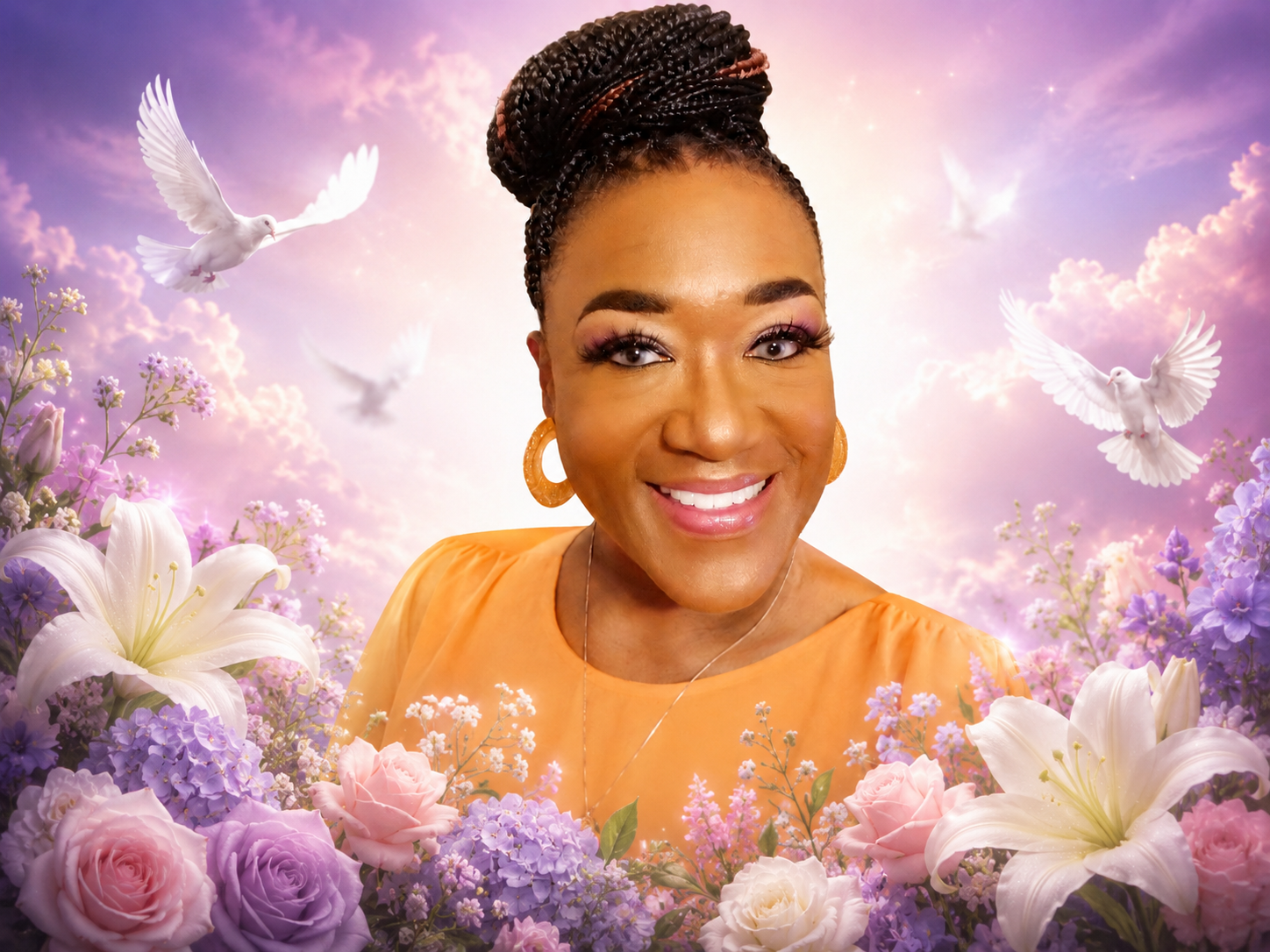
By Rev. Dorothy S. Boulware
A sacred space is meant to be a refuge. A pulpit is meant to be a place of power, purpose, and proclamation. Yet for many Black women clergy, the very place they are called to serve has become a place where silence hides suffering.
The tragic killing of Pastor Tammy McCollum on Easter Sunday shook more than a congregation in North Carolina—it exposed a deeply rooted and often unspoken crisis. Allegedly killed by her husband shortly after delivering her Resurrection Sunday message, her death stands as a painful reminder that even those who lead others in faith are not immune to harm behind closed doors.
A Hidden Struggle in Plain Sight
To those around her, Pastor McCollum’s life appeared whole. Her marriage seemed strong. Her ministry, effective. Her voice, unwavering. But beneath the surface lies a reality many Black women clergy quietly carry: the burden of enduring abuse, harassment, or intimidation—often without safe spaces to speak.
Statistics reveal a sobering truth. Nearly 4 in 10 Black women experience some form of intimate partner violence in their lifetime, and they are disproportionately more likely to be killed by a partner compared to other groups.
Yet within the church, where healing should be accessible, many find barriers instead of support.
The Weight of Silence and Expectation
For Black women in ministry, the pressure runs deep. They are expected to be pillars of strength, spiritual anchors, and examples of unwavering faith. Admitting vulnerability can feel like risking credibility, respect, and even their calling.
Many hesitate to speak out for several reasons:
Fear of not being believed
Concern about damaging their ministry
Cultural expectations to “hold it together”
Systems that often protect leadership over victims
As one minister powerfully stated, “We are violated before we preach, while we preach, and after we preach.”
That reality is not just heartbreaking—it is unacceptable.
When Systems Fail to Protect
The church, historically a place of refuge in the Black community, can sometimes unintentionally reinforce silence. Patriarchal structures, combined with deep-rooted cultural dynamics, can make it difficult for women to seek help within their own spiritual communities.
In some cases:
Leadership may dismiss or minimize claims
Survivors may be encouraged to “pray through it” rather than seek safety
Abusers may be shielded due to status or influence
These patterns create a dangerous environment where abuse can continue unchecked.
Breaking the Silence: A Path Forward
Healing begins when truth is spoken. Silence may feel safe in the moment, but it often strengthens the very thing it tries to hide.
Experts and advocates emphasize several critical steps:
1. Speak Up
Abuse thrives in secrecy. Sharing your experience with a trusted, safe individual is the first step toward freedom.
2. Seek External Support
Professional resources, such as domestic violence organizations, offer confidential guidance, safety planning, and immediate help.
3. Recognize Early Warning Signs
Patterns of control, manipulation, or emotional harm rarely appear overnight. Awareness can prevent deeper harm.
4. Prioritize Safety Over Image
No title, role, or calling is worth sacrificing your life. Leaving safely is not failure—it is wisdom.
Faith, Freedom, and Protection
Faith should never be used as a reason to endure harm. God’s design for relationships is rooted in love, not control; in safety, not fear.
The church must rise to meet this moment—not with silence, but with accountability, compassion, and action.
Create safe reporting systems
Educate leaders on abuse awareness
Support survivors without judgment
Shift culture from preservation of image to protection of people
A Call to Courage
This is not just a women’s issue. This is a Kingdom issue.
The strength of the church is not measured by how well it hides pain, but by how boldly it confronts it and how faithfully it protects its people.
Pastor Tammy McCollum’s story is not just a tragedy—it is a call. A call to listen. A call to act. A call to ensure that no woman standing behind a pulpit has to suffer in silence again
If you or someone you know is experiencing abuse, help is available:
National Domestic Violence Hotline: 1-800-799-SAFE (7233)
Text: START to 88788
Live chat: thehotline.org